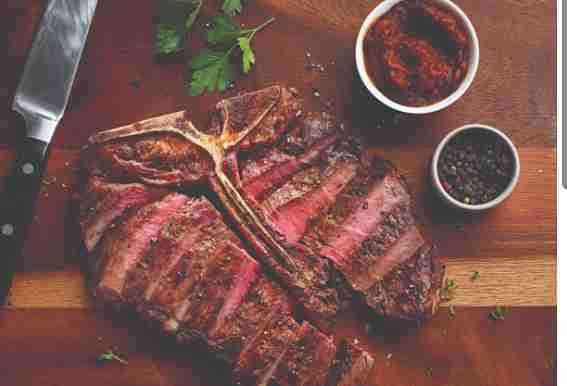
Fire is one of the oldest tools in cooking, yet in the hands of skilled chefs, it becomes something far more sophisticated. At this celebrated steakhouse, fire is not just a means of cooking—it is a defining element of the dining experience. The grills are designed to reach extreme temperatures, creating the perfect conditions for searing.
This intense heat is essential for achieving the coveted crust that defines a great steak. Through the Maillard reaction, proteins and sugars on the surface of the meat undergo a transformation, producing complex flavors and a rich, golden-brown exterior. This process happens quickly, requiring precise timing and expert judgment.
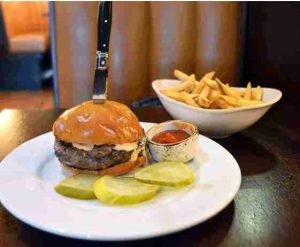
But heat alone is not enough. The chefs understand that each cut of beef behaves differently. A ribeye, with its abundant marbling, requires a different approach than a leaner strip steak. Adjustments are made in real time, ensuring that each steak reaches its full potential. This adaptability is a hallmark of true expertise.
Equally important is the internal temperature. Achieving the perfect doneness—whether rare, medium-rare, or well-done—is a delicate balance. The goal is to preserve the natural juices while delivering the desired texture. This requires not only technical skill but also an understanding of the diner’s preferences.
Resting the steak after cooking is the final step in this transformation. It allows the meat to relax, redistributing its juices and enhancing its tenderness. Skipping this step would undermine the entire process, which is why it is treated with such গুরুত্ব.
The result is a steak that embodies the perfect harmony of flavor, texture, and aroma. It is a testament to the power of fire when guided by knowledge and experience. For diners, it is a reminder that even the simplest ingredients can become extraordinary when treated with respect.